Rain Shelter for Agriculture

A rain shelter for agriculture is an open or semi-open protected cultivation structure designed to reduce direct rainfall while maintaining natural ventilation, helping protect rain-sensitive crops such as cherries, grapes, and berries from fruit cracking and disease pressure.

Helps protect berries, grapes, cherries and other rain-sensitive crops from excessive rainfall, fruit cracking and disease pressure.

Galvanized steel columns, roof members and bracing provide a durable structural platform for long-term outdoor agricultural use.

Standardized components support efficient packing and assembly, with layouts adaptable to crop rows, field dimensions, and project scale.

The structure can integrate with locally selected irrigation and crop-support systems coordinated by EPC teams or agricultural integrators.

Scope Note: We supply the rain shelter structure + engineering pack. Local agricultural systems and installation are coordinated by your local EPC/integrator.
Discuss Your Structural Requirements
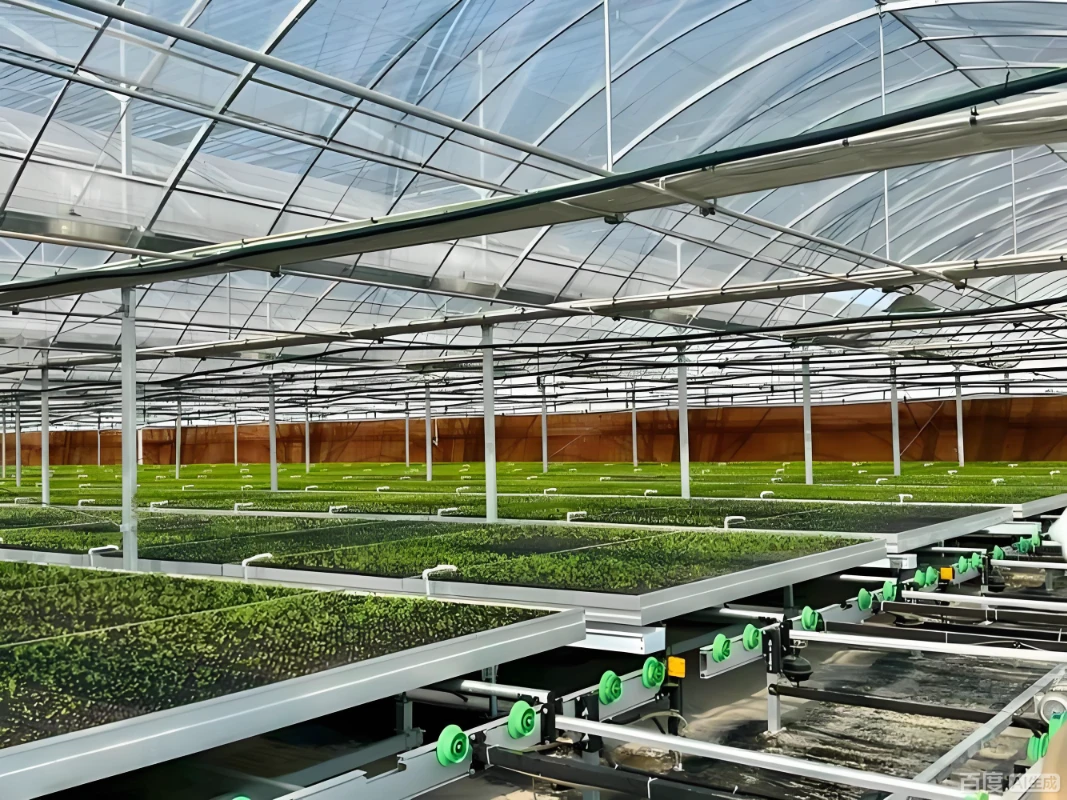
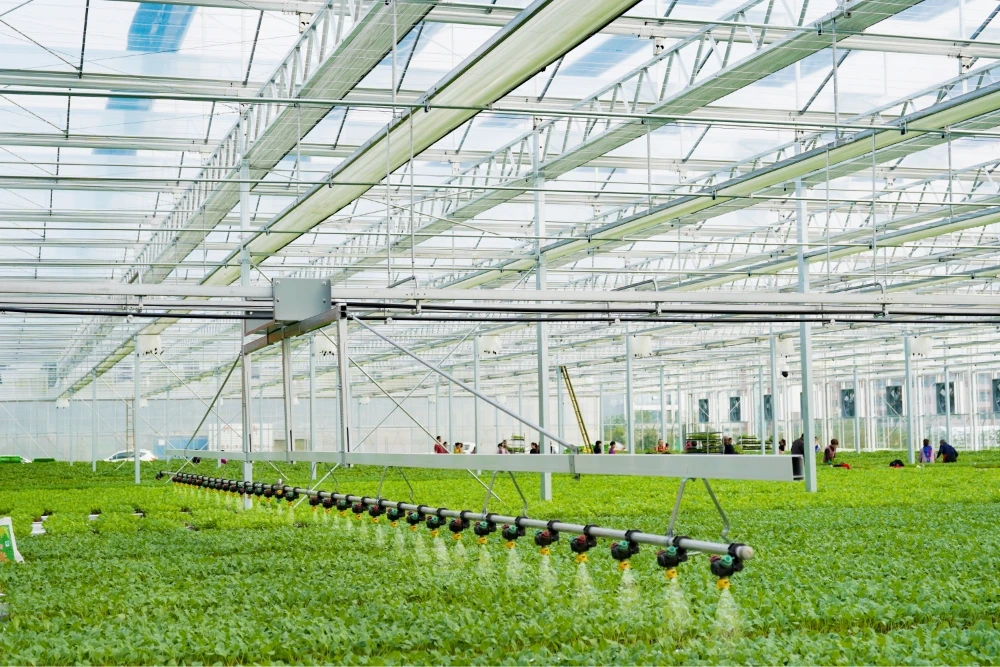
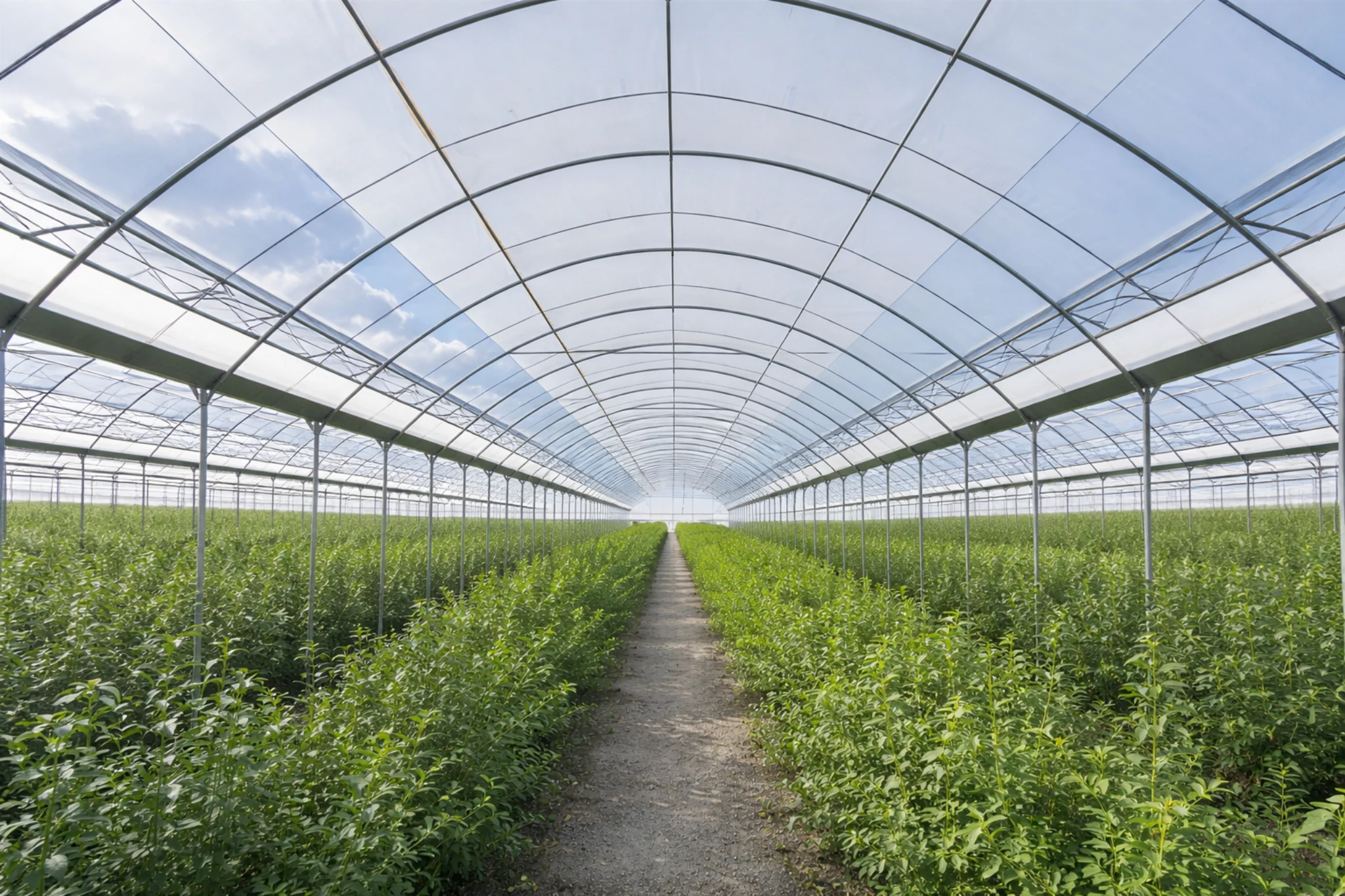
Interior view of a commercial rain shelter structure for crop protection

Galvanized Steel Rain Shelter Structure

Galvanized steel columns, roof members and bracing form the main structural system. Member sizes and zinc coating options for greenhouse structures should be selected according to project scale, environmental exposure and required service conditions.

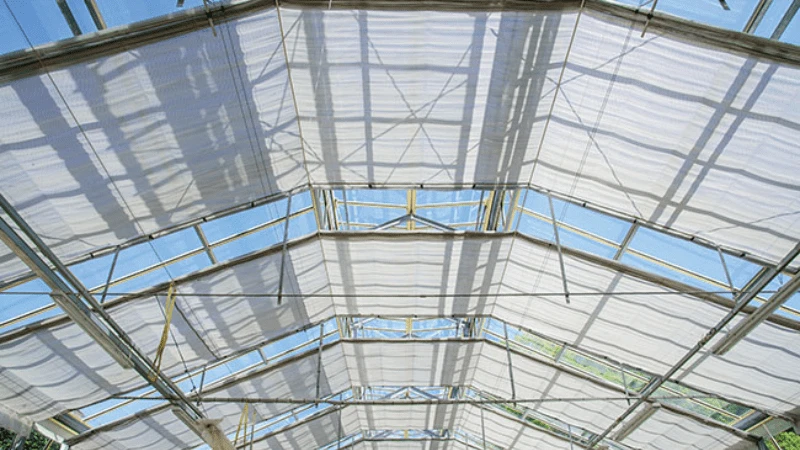
The steel frame supports project-selected rain protection film or covering while maintaining an open or semi-open growing environment. Roof geometry, fixing methods and drainage should be coordinated with the selected covering system.

Column spacing, bay layout and structure height should match crop rows, working clearance, machinery access and field dimensions. Modular layouts support repeatable planning across larger commercial agricultural projects.

Anchoring and foundation requirements depend on soil conditions, wind exposure and the structural layout. Final foundation details should be reviewed according to local site conditions and project engineering requirements.

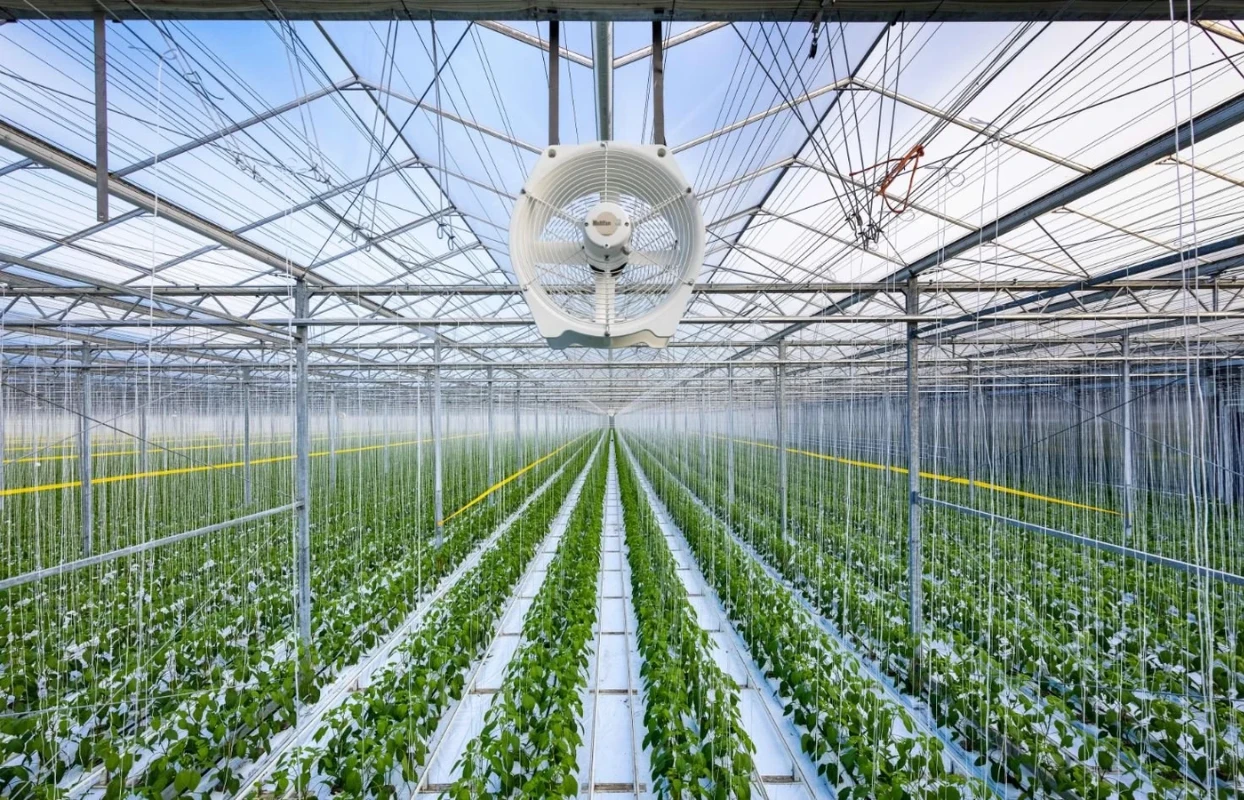
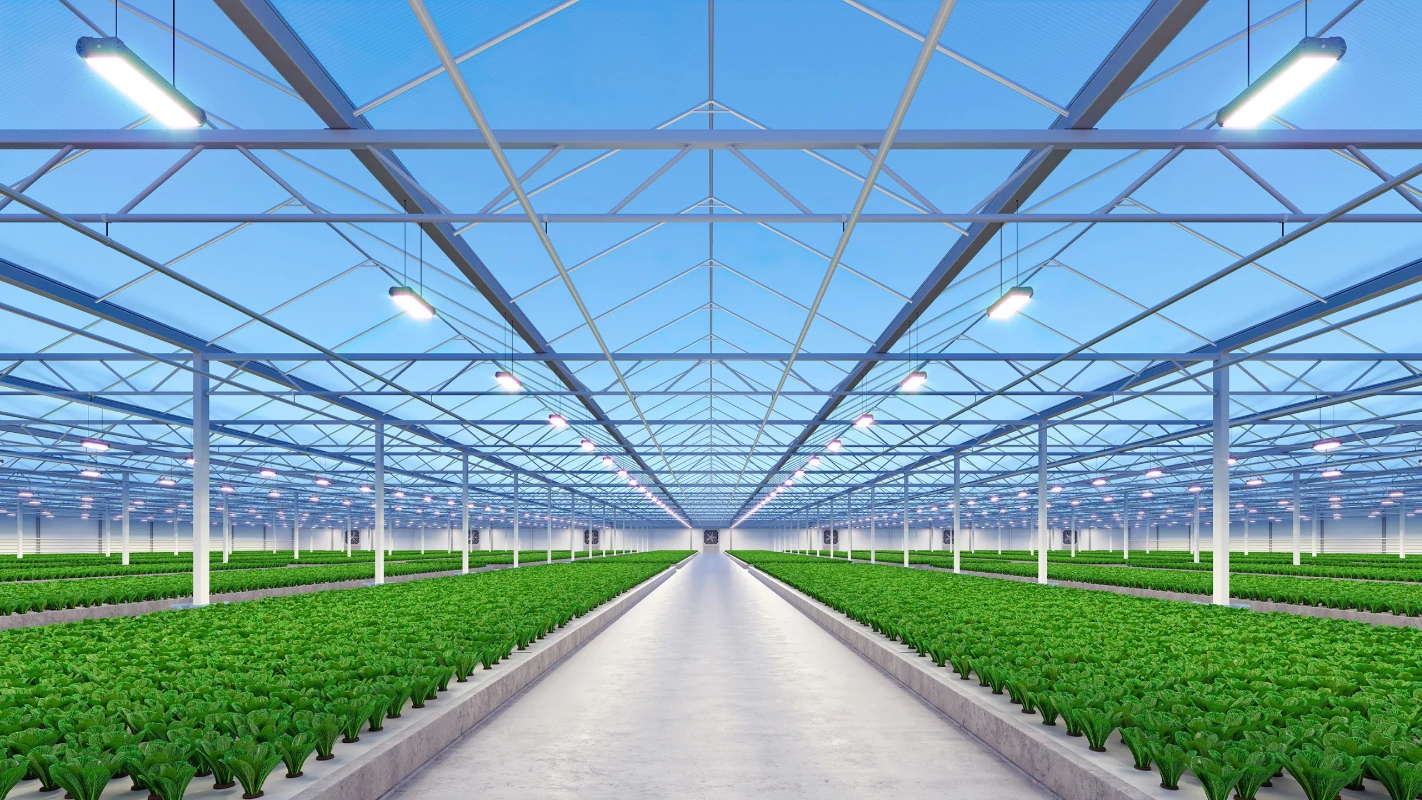
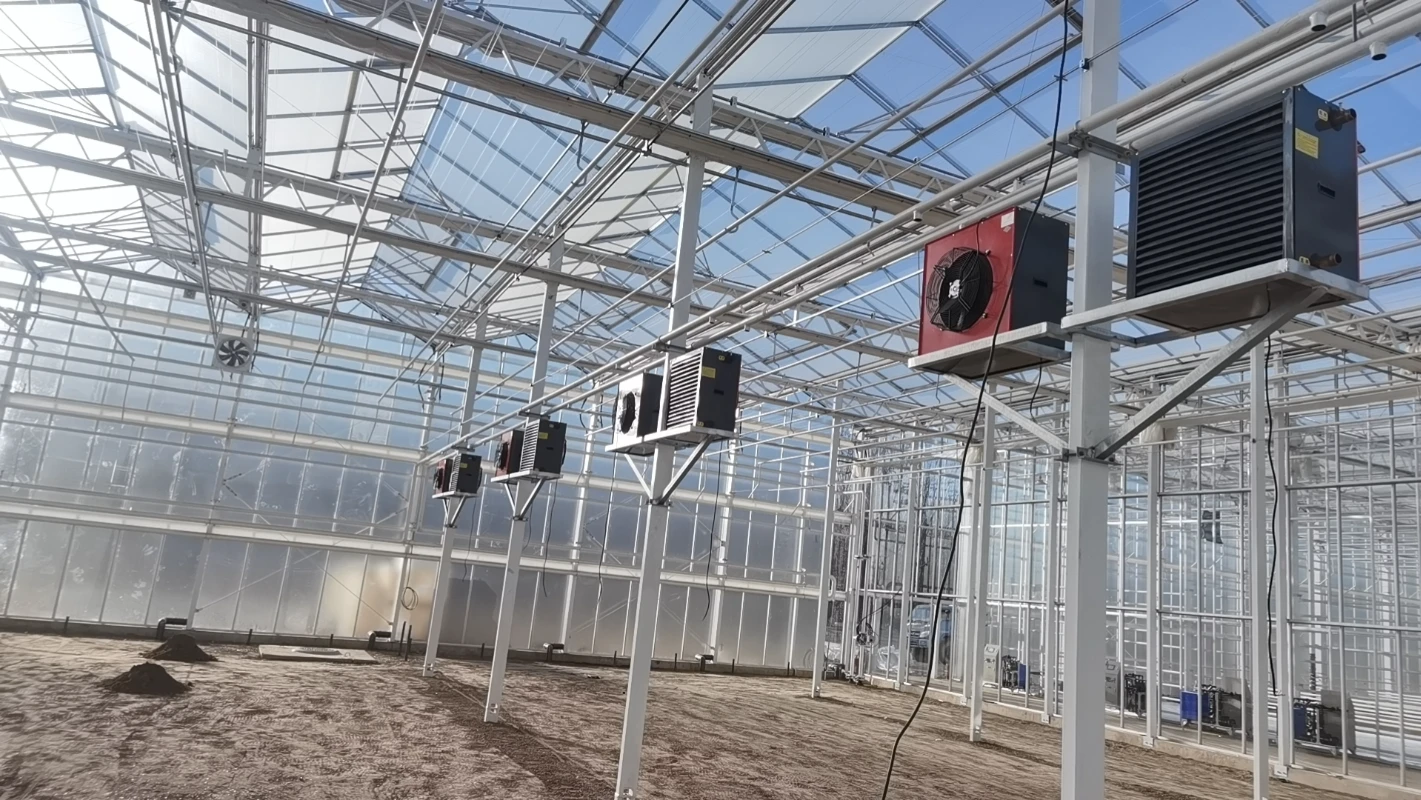
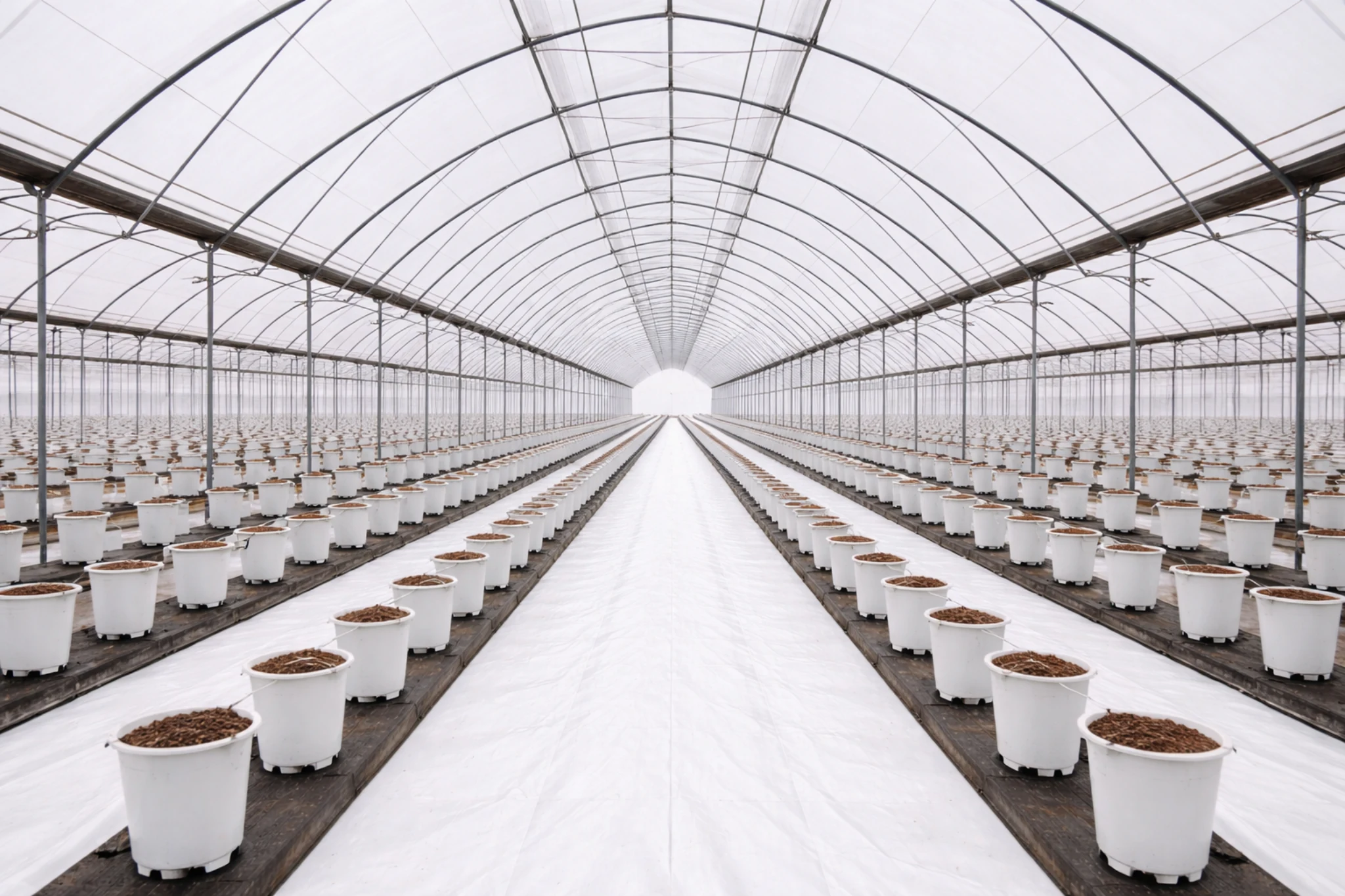
Interior of rain shelter structures showing key structural components

Rain Shelter for Agriculture: Design Parameters

Columns & Main Frame — Hot-dip galvanized steel components for long-term corrosion resistance and reliable load-bearing performance.

Roof Covering System — Project-selected protective covering for rainfall reduction and crop protection.

Foundation & Anchoring — Adapted to local soil conditions and project-based wind or load requirements.

Open Structural Layout — Supports crop access, field operation, and efficient agricultural use without full enclosure.

Final rain shelter dimensions are confirmed according to crop layout, wind conditions, and site requirements.

How We Deliver Rain Shelter Structures

A structure-first workflow covering planning, fabrication, delivery coordination, and installation support for commercial greenhouse projects.

Typical Commercial Applications of Rain Shelter Structures

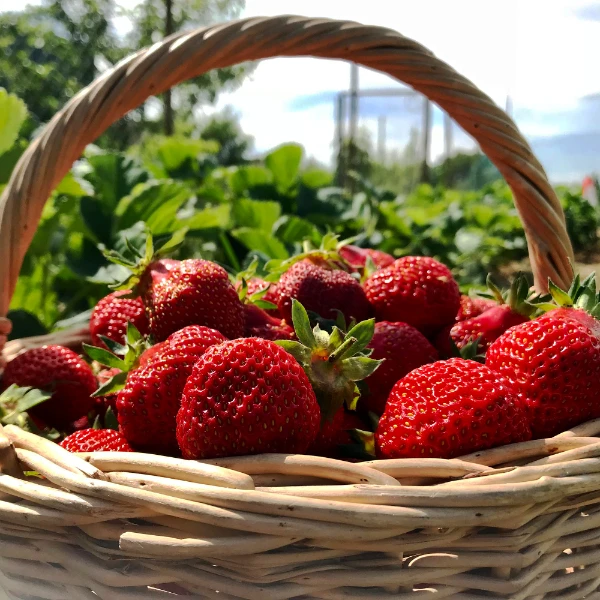
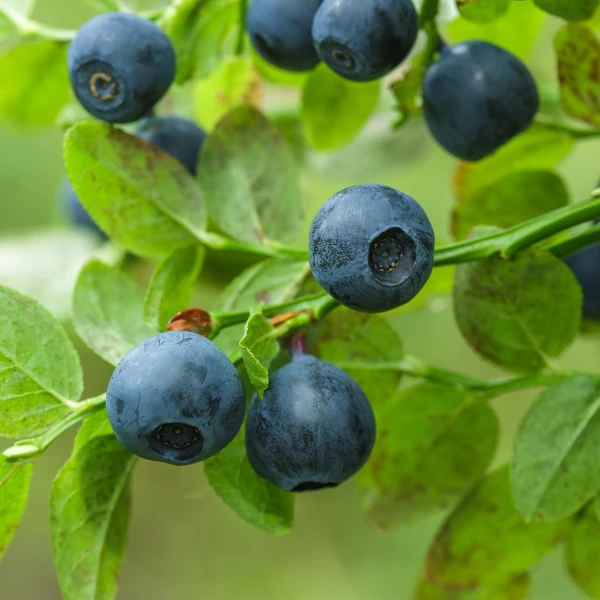
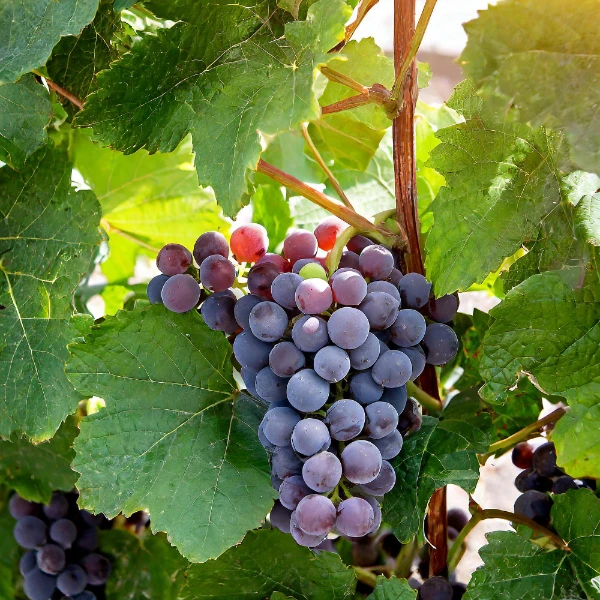
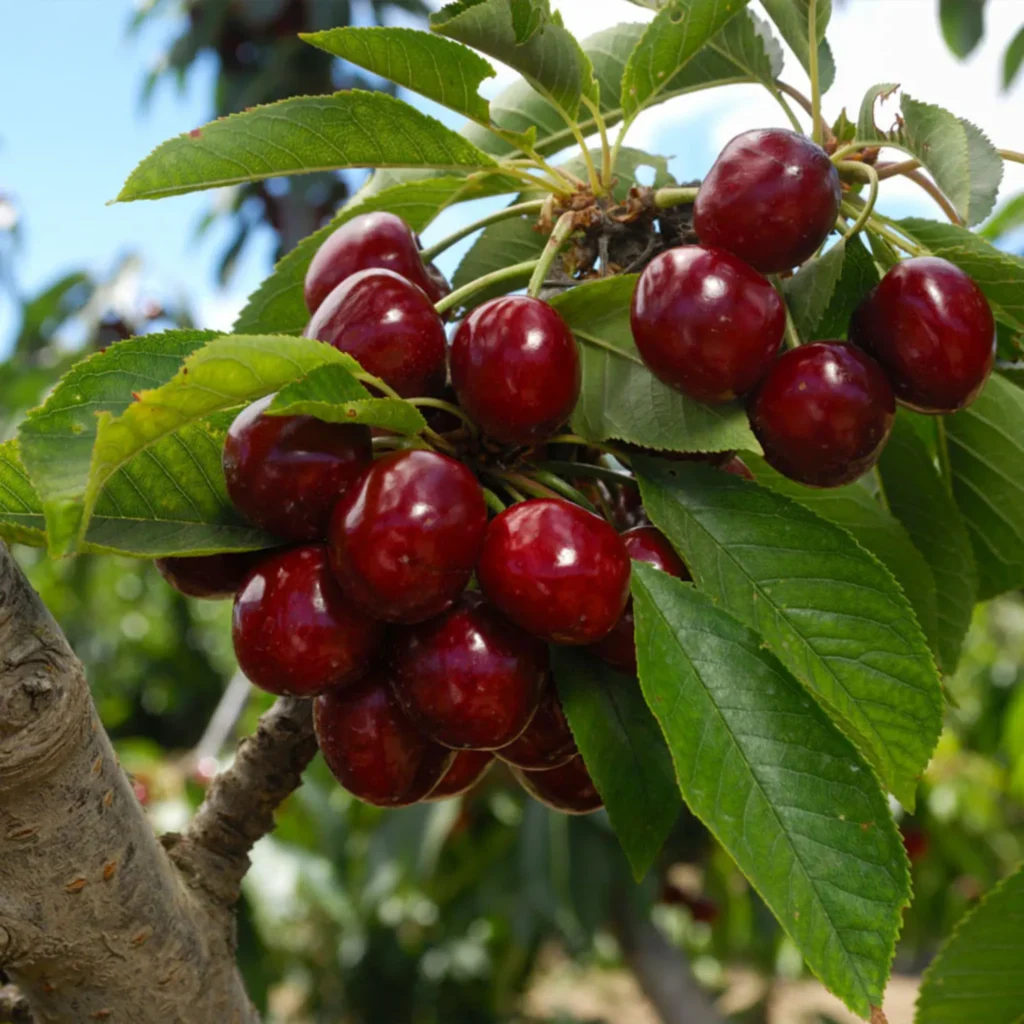
Widely used in commercial agricultural projects for berries, cherries, grapes, and other high-value crops that require rainfall protection and more stable field production conditions.

Rain Shelter Compatibility for Local Integration

Rain shelter structures are designed for compatibility with locally selected irrigation systems, trellis systems, crop protection accessories, and project-based agricultural support systems.

System selection and integration are handled by local partners and project integrators.

FAQ About Commercial Rain Shelter Structures

Common questions about rain shelter structures for commercial agricultural projects, crop protection, structural support, and local agricultural system integration.

Rain shelter structures are often selected for commercial projects that require protection from excessive rainfall, more stable fruit quality, and reduced crop loss in open-field growing environments. They are suitable for growers, EPC teams, and agricultural integrators looking for a practical protection structure for high-value crop production.

Rain shelter structures are the right choice for projects where rainfall creates crop cracking, fruit damage, disease pressure, or unstable harvest conditions. They are often preferred when growers need crop protection without the full enclosure and climate control requirements of a greenhouse.

Compared with open-field production, rain shelter structures help reduce direct rain exposure, improve fruit quality consistency, and lower the risk of rain-related crop damage. They can also support more predictable field management and better protection for high-value crops.

Rain shelter structures are commonly used for strawberries, blueberries, cherries, grapes, raspberries, and other high-value crops that are sensitive to excessive rainfall or fruit surface damage. Final crop suitability depends on local climate, crop variety, and project-specific production goals.

Yes. Rain shelter structures can be customized based on local rainfall intensity, wind conditions, crop type, project layout, and structural scope. This may include adjustments to frame design, covering configuration, bay spacing, and other project-based details.

Yes. We can provide project-related drawings and structural documentation based on project requirements, local conditions, and the selected structure scope. This helps support technical review, project coordination, and smoother execution for commercial agricultural projects.

Yes. Rain shelter structures can be designed for compatibility with locally selected irrigation systems, trellis systems, and other agricultural support accessories. System selection and integration are typically handled by local partners or project integrators.

Yes. Rain shelter structures are suitable for large commercial deployment because they use modular structural logic, support repeatable field layouts, and can be expanded across larger growing areas as project needs increase.

Yes. Rain shelter structures are suitable for EPC and integrator-led projects because they provide a stable structure platform, support project-based coordination, and can be prepared for compatibility with locally selected agricultural systems. This helps improve project clarity and execution efficiency.

Yes. We can support export-oriented packing, loading planning, and delivery coordination for rain shelter projects. This helps improve shipping efficiency and supports smoother international project delivery.